
How Long Does Epoxy Flooring Last? Durability Guide
by Danick Flooring Services
One of the first questions people ask when considering epoxy flooring is how long it will actually last. It is a fair question, and the answer depends on a range of factors including the quality of the installation, the materials used, the environment, and how well the floor is maintained. In this guide, we break down realistic lifespan expectations for epoxy flooring in different settings and explain what you can do to get the most out of your investment.
Typical Lifespan of Epoxy Flooring
Residential Settings
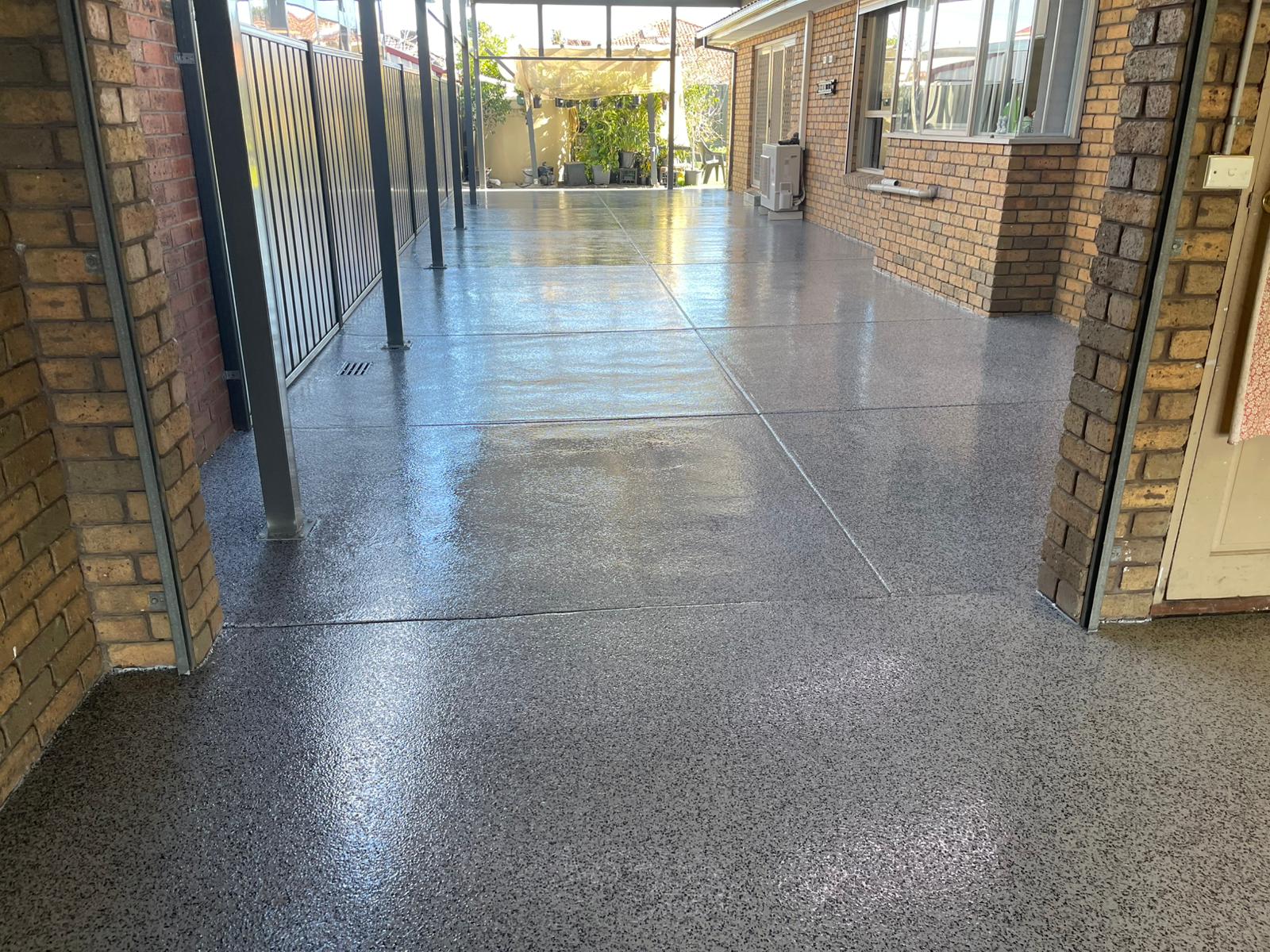
In a residential garage, laundry, or home workshop, a professionally installed epoxy floor will typically last between 10 and 20 years before it needs significant attention. Many residential epoxy floors last well beyond the 15-year mark when they are properly maintained and not subjected to unusual abuse.
The lighter traffic and more controlled conditions in a residential setting mean the coating experiences less wear compared to commercial or industrial floors. A home garage that sees a couple of vehicles driven in and out daily, along with occasional workshop use, is a relatively gentle environment for a quality epoxy system.
Commercial Settings
In commercial spaces such as retail stores, showrooms, offices, and restaurants, epoxy flooring typically lasts between 5 and 10 years before recoating is recommended. Higher foot traffic, heavier cleaning routines, and more demanding use patterns accelerate wear on the surface.
That said, the range is wide. A boutique retail space with moderate foot traffic may see its epoxy floor last well over a decade, while a busy restaurant kitchen may need attention after five or six years.
Industrial Settings
Industrial environments are the most demanding on epoxy flooring. Warehouses, factories, and workshops with heavy machinery, forklift traffic, and chemical exposure can wear through an epoxy coating in 3 to 7 years. In these settings, many businesses plan for periodic recoating as part of their maintenance schedule.
Factors That Affect Epoxy Flooring Lifespan
Surface Preparation Quality
This is the single most important factor in determining how long an epoxy floor will last. Without proper surface preparation, even the highest-quality epoxy will fail prematurely. The concrete must be mechanically ground to create a suitable profile for the epoxy to bond to. Any moisture issues, cracks, or contaminants must be addressed before coating.
Floors that are poorly prepared often experience delamination, peeling, and bubbling within the first year or two. This is the primary reason that professionally installed epoxy outlasts DIY applications by a significant margin.
Material Quality
Not all epoxy products are created equal. Professional-grade epoxy resins, primers, and top coats are formulated for maximum adhesion, chemical resistance, and durability. They are significantly more robust than the water-based or thin-film products sold in hardware store DIY kits.
The top coat is particularly important. A high-quality polyurethane or polyaspartic top coat provides UV stability, abrasion resistance, and chemical protection that dramatically extends the life of the system beneath it.
Traffic Type and Volume
The amount and type of traffic a floor receives has a direct impact on its lifespan. Consider the following:
- Light foot traffic (residential hallway or spare room) causes minimal wear
- Vehicle traffic (garage) creates moderate wear, particularly from tyre marks and turning
- Heavy equipment (warehouse forklifts, pallet jacks) generates significant abrasion and impact
- Chemical exposure (workshop, commercial kitchen) can degrade the coating if the system is not rated for those chemicals
Understanding the traffic profile of your space helps determine the right system specification and realistic lifespan expectations.
Environmental Conditions
Temperature fluctuations, UV exposure, and moisture all play a role in the longevity of epoxy flooring. In Melbourne, where temperatures can swing from near freezing in winter to over 40 degrees in summer, the coating needs to be flexible enough to handle thermal expansion and contraction without cracking.
UV exposure is another consideration. Standard epoxy resins can yellow and chalk when exposed to direct sunlight. A UV-stable top coat is essential for any area that receives natural light, such as a garage with the door open during the day.
Maintenance Practices
How a floor is maintained over its life makes a genuine difference to its longevity. Floors that are regularly swept and mopped, with spills cleaned up promptly, will last significantly longer than floors that are neglected.
Abrasive cleaning methods, harsh chemicals, and dragging heavy objects across the surface without protection will all shorten the lifespan of an epoxy coating.
How to Extend the Life of Your Epoxy Floor
Following some straightforward practices can add years to the life of your epoxy flooring:
- Sweep regularly. Remove grit and debris that can act as abrasives under foot and vehicle traffic.
- Mop with mild cleaning solutions. Avoid harsh chemicals, ammonia, or citrus-based cleaners that can dull the surface.
- Clean up spills promptly. While epoxy is chemical-resistant, prolonged exposure to harsh substances can still cause damage over time.
- Use mats at entry points. Placing mats at doorways and high-traffic entry points reduces the amount of grit tracked onto the floor.
- Protect against impact. Use rubber mats in areas where heavy tools are used or dropped. Consider placing pads under jack stands and heavy equipment.
- Avoid dragging heavy objects. Lift rather than drag heavy items across the floor. Use trolleys or furniture sliders where possible.
- Address damage early. Small chips or scratches should be touched up before they spread. Catching damage early prevents moisture from getting beneath the coating.
Signs Your Epoxy Floor Needs Attention
Over time, even a well-maintained epoxy floor will show signs of ageing. Watch for these indicators:
- Loss of gloss. High-traffic areas may become noticeably duller than less-used sections.
- Surface scratches. Fine scratches are normal, but when they become widespread, the top coat may be thinning.
- Hot tyre marks. If tyre marks start becoming difficult to remove, the top coat may be wearing thin.
- Peeling or lifting at edges. Any delamination, even in small areas, should be addressed before it spreads.
- Staining. If chemicals that previously wiped off easily are now leaving marks, the protective layer is compromised.
When to Recoat
Recoating an epoxy floor is far more cost-effective than a full strip and re-application. If the existing coating is still well-bonded to the concrete but the surface is showing wear, a professional can lightly abrade the surface and apply a fresh top coat. This process restores the gloss, chemical resistance, and appearance of the floor at a fraction of the cost of starting from scratch.
For residential garages, a top coat refresh is typically needed every 8 to 12 years, depending on use. For commercial spaces, every 4 to 7 years is more common.
Why Professional Installation Matters for Longevity
The lifespan figures quoted in this guide assume professional installation with quality materials. DIY epoxy kits from hardware stores use thinner, less durable formulations and do not include the mechanical surface preparation that is essential for long-term adhesion. It is common for DIY epoxy floors to begin peeling within one to three years, particularly in Melbourne where slab moisture and temperature variations create challenging conditions.
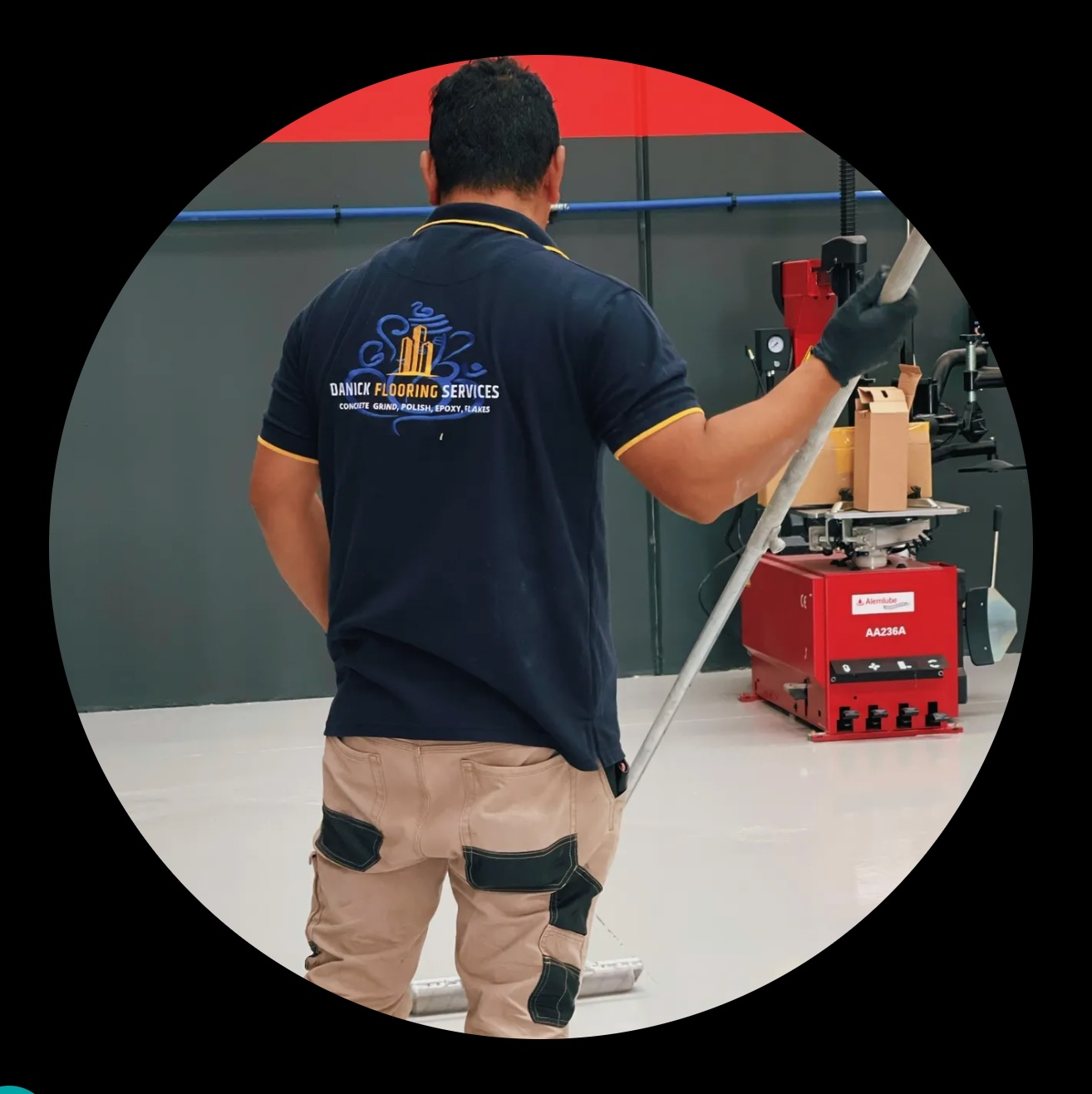
A professional installation by an experienced team like Danick Flooring Services includes thorough surface preparation using diamond grinding equipment, moisture testing, crack repair, and the application of commercial-grade products designed to perform in Australian conditions. This approach delivers a floor that looks better, performs better, and lasts significantly longer.
Get a Long-Lasting Epoxy Floor
If you want an epoxy floor that delivers genuine long-term performance, professional installation is the starting point. Contact Danick Flooring Services for an obligation-free assessment and quote. We service Melbourne and surrounding areas across Victoria and are happy to discuss the best system for your specific needs and budget.
Posted in Epoxy Flooring
Leave a Comment
Your email address will not be published.